Protecting Children in the Digital Age: Addressing Online Exploitation
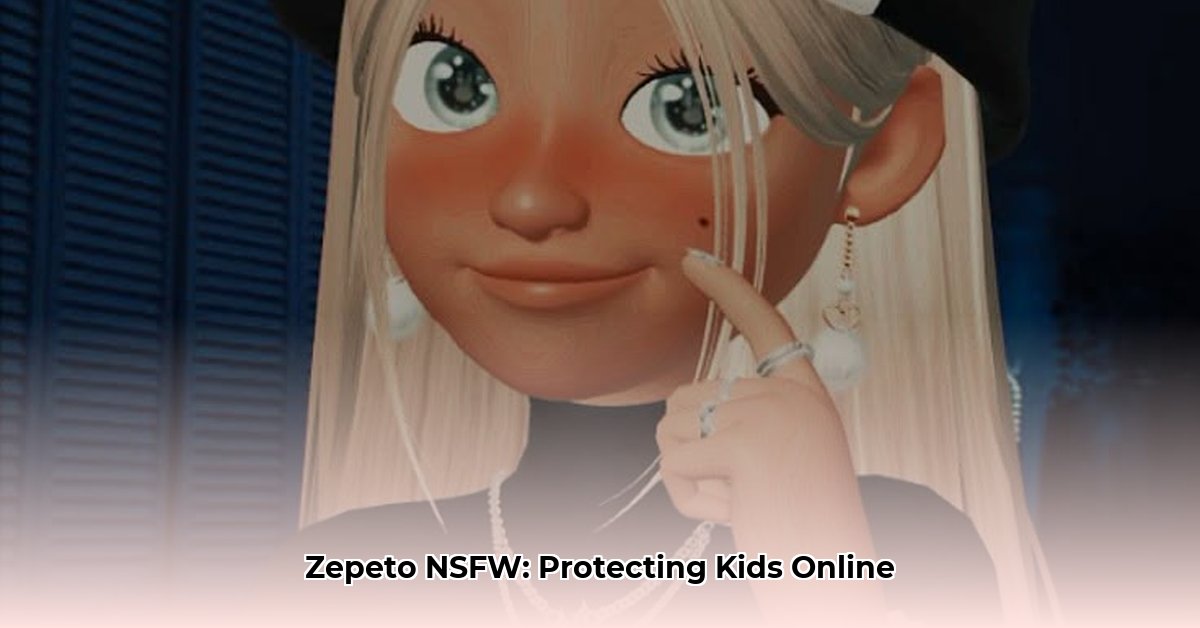
The internet, while offering incredible opportunities, presents significant dangers, especially for children. Platforms designed for fun and creativity, like Zepeto, can unfortunately become breeding grounds for harmful content. This article focuses on protecting children from online exploitation, specifically addressing the concerning trend of sexually explicit material involving Zepeto avatars, often referred to as "Zepeto rule 34." We will avoid explicit details but will provide crucial information and resources for parents and caregivers. Did you know that online child exploitation is a growing global concern, affecting millions of children annually?
Understanding the Dangers of Online Sexual Exploitation
The creation and sharing of sexually suggestive material featuring child avatars, such as those found in the context of "Zepeto rule 34," is a serious issue. This is not merely about inappropriate images; it represents the exploitation and potential grooming of children. These actions have severe and long-lasting consequences for victims, impacting their mental health, self-esteem, and future relationships. It's crucial to understand that behind each image is a child experiencing real harm. This is not a victimless crime. How can we effectively combat this growing threat to children’s safety?
The Real-World Impact: Beyond Virtual Harm
The consequences of online sexual exploitation extend far beyond the digital realm. Victims often suffer from significant emotional trauma, leading to long-term mental health challenges. The psychological impact can be profound and far-reaching, affecting their self-perception and ability to form healthy relationships. Beyond the emotional toll, there are also significant legal ramifications for both perpetrators and, in some cases, those who distribute or possess such materials. Remember, these harmful images and videos represent real children who are victims of abuse. What proactive steps can we take to protect our children?
A Multi-Pronged Approach to Online Safety
Combating online child sexual exploitation requires a comprehensive strategy involving parents, children, technology companies, and law enforcement. No single solution will eradicate the problem, but a collaborative effort can significantly reduce the risks. Key areas for action include:
Empowering Education: Parents and children need comprehensive education about online safety, including strategies for identifying and reporting inappropriate content. Open communication within families is essential to fostering a safe online environment.
Strengthening Platform Responsibilities: Technology companies must take responsibility for the safety of their users. This includes implementing robust content moderation systems, improving reporting mechanisms, and proactively preventing harmful content from proliferating. Companies must prioritize user safety over profits, and accountability is key.
Active Parental Involvement: Parents should be actively involved in their children’s online lives without invading their privacy. This includes setting clear boundaries, engaging in open conversations about online safety, and appropriately monitoring their children's online activities.
Enhanced Law Enforcement Cooperation: Close collaboration between law enforcement and tech companies is crucial to identify, track, and prosecute offenders, while also providing resources and support for victims. Stronger laws and international cooperation are needed to combat this global problem.
Practical Steps for Parents and Children
Let's break down tangible actions parents and children can take to improve online safety:
Educate Yourself: Learn about online safety threats and the platforms your children use. Numerous resources are available from reputable organizations focused on child safety.
Foster Open Communication: Create a safe space for open dialogue with your children about online safety. This helps them understand the risks and feel comfortable reporting any concerning situations.
Establish Clear Boundaries: Set clear rules about online behavior and appropriate content. Tailor these rules to your child’s age and maturity level. This creates a framework for safe online practices.
Monitor Responsibly: Monitor children's online activity while respecting their privacy. The goal is to guide and protect, not to control or spy. Focus on building trust and fostering healthy digital habits.
Report Inappropriate Content Immediately: Utilize the reporting mechanisms provided by platforms and report any inappropriate or harmful content you encounter without delay. Prompt action can protect other children and help bring offenders to justice.
The Role of Technology Companies: Beyond Profit
Technology companies have a crucial role to play in protecting children online. They must go beyond simply adding reporting buttons and invest in proactive measures such as sophisticated AI-powered content moderation. This is an investment in child safety, not just a cost-saving measure. Companies need to demonstrate accountability and transparency in their efforts.
A Shared Commitment for a Safer Online World
Ultimately, combating "Zepeto rule 34" and similar online exploitation is a shared responsibility. Parents, children, technology companies, lawmakers, and law enforcement agencies must collaborate effectively to create a safer digital environment for children. Continued vigilance, proactive measures, and open communication are crucial in protecting children in this ever-evolving online landscape. What further actions do you believe are necessary to protect children online?
⭐⭐⭐⭐☆ (4.8)
Download via Link 1
Download via Link 2
Last updated: Friday, May 23, 2025